
Unlocking the Hidden Potential of the Oman Ophiolite
For over 4,000 years, Oman has been recognized as a land of copper, supplying metal to ancient civilizations and shaping regional trade networks. Today, the geological foundation of that legacy lies within the globally significant Semail Ophiolite — one of the world’s best-exposed and most studied ophiolite complexes. Yet despite its scientific importance, vast portions of this terrane remain underexplored using fully integrated, modern geoscience methodologies.
This platform is built on the principle that meaningful exploration requires more than isolated datasets. It integrates advanced remote sensing (ASTER, Sentinel-2, Landsat-8), lithological discrimination, structural and tectonic analysis, alteration mapping, and rigorous field validation. By combining satellite-derived spectral signatures with on-ground geological observations, we aim to delineate mineral systems with greater clarity and confidence.
Special emphasis is placed on Volcanogenic Massive Sulphide (VMS) systems, sheeted dyke complexes, hydrothermal alteration corridors, and ultramafic-hosted mineralization within mantle and lower crustal sections. Rather than focusing solely on anomaly detection, this platform approaches exploration through mineral system thinking — understanding fluid pathways, heat sources, structural controls, lithological architecture, and post-emplacement tectonic overprints.
Our mission is to transform raw data into geological understanding. We bridge satellite analysis with structural reasoning and field truthing to reduce uncertainty, refine targeting strategies, and support smarter exploration decisions. By integrating technology with geological insight, this initiative contributes to a deeper, more systematic understanding of Oman’s mineral potential — grounded in science, guided by evidence, and designed for long-term impact.
Minerals Deposits
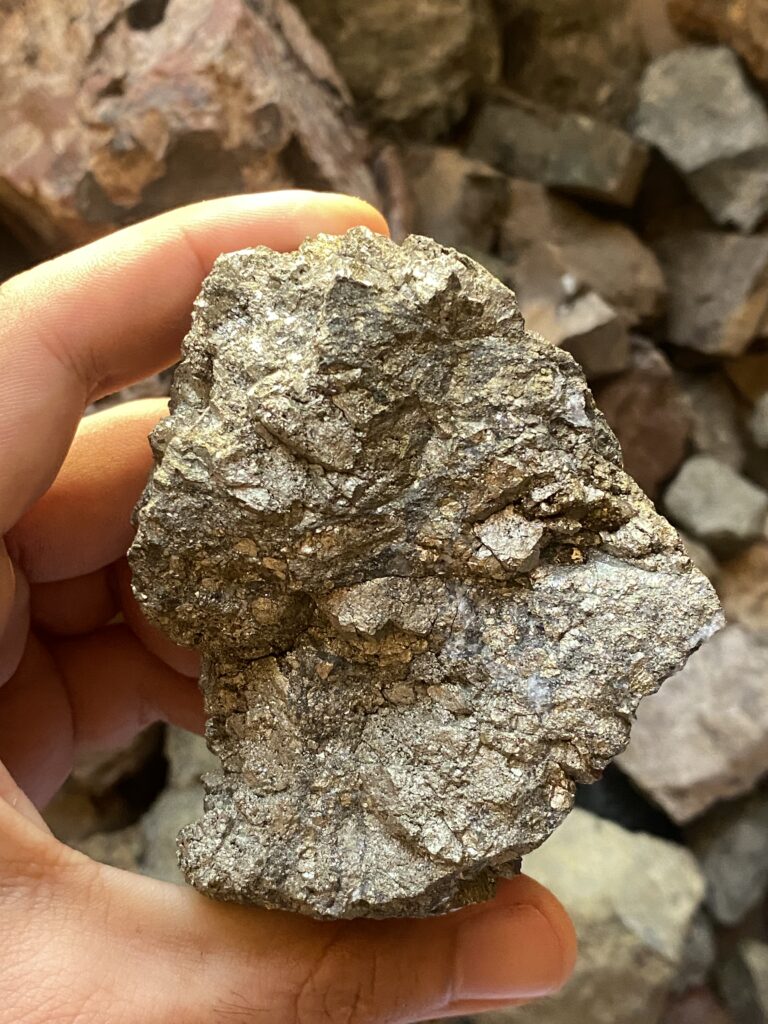
Copper & Gold (Cu & AU)
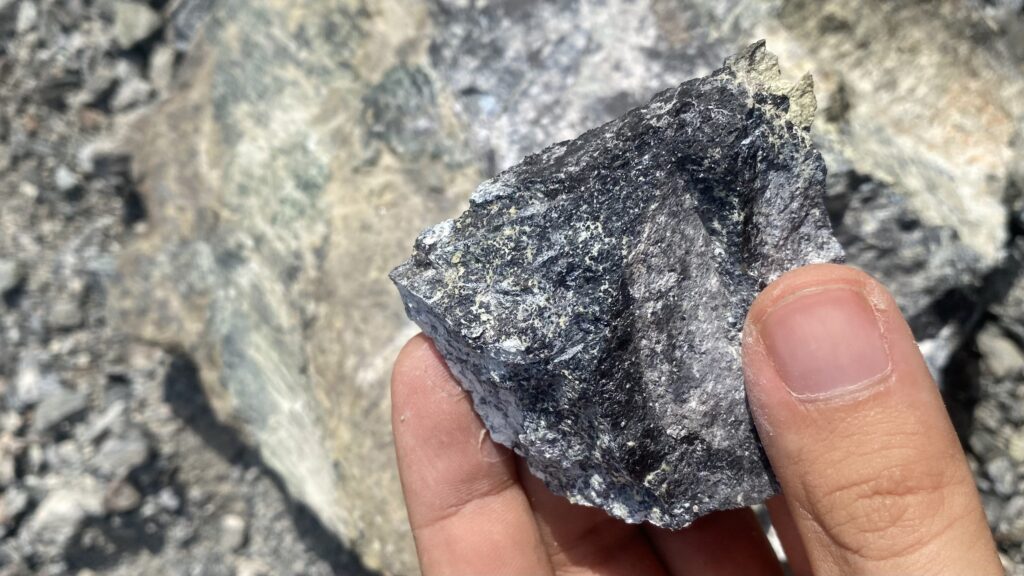
Chromite (Cr)
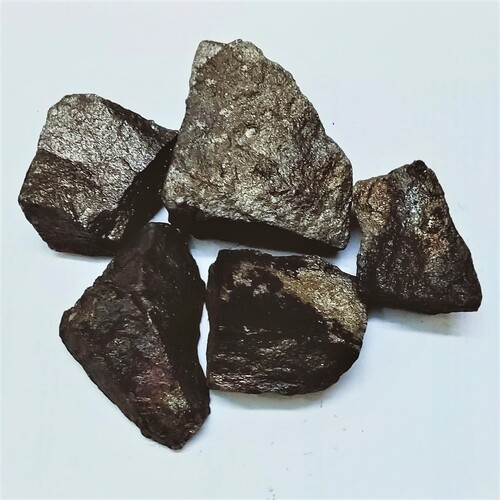
Manganese (Mn)
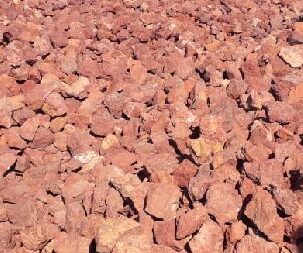
Laterite (La)
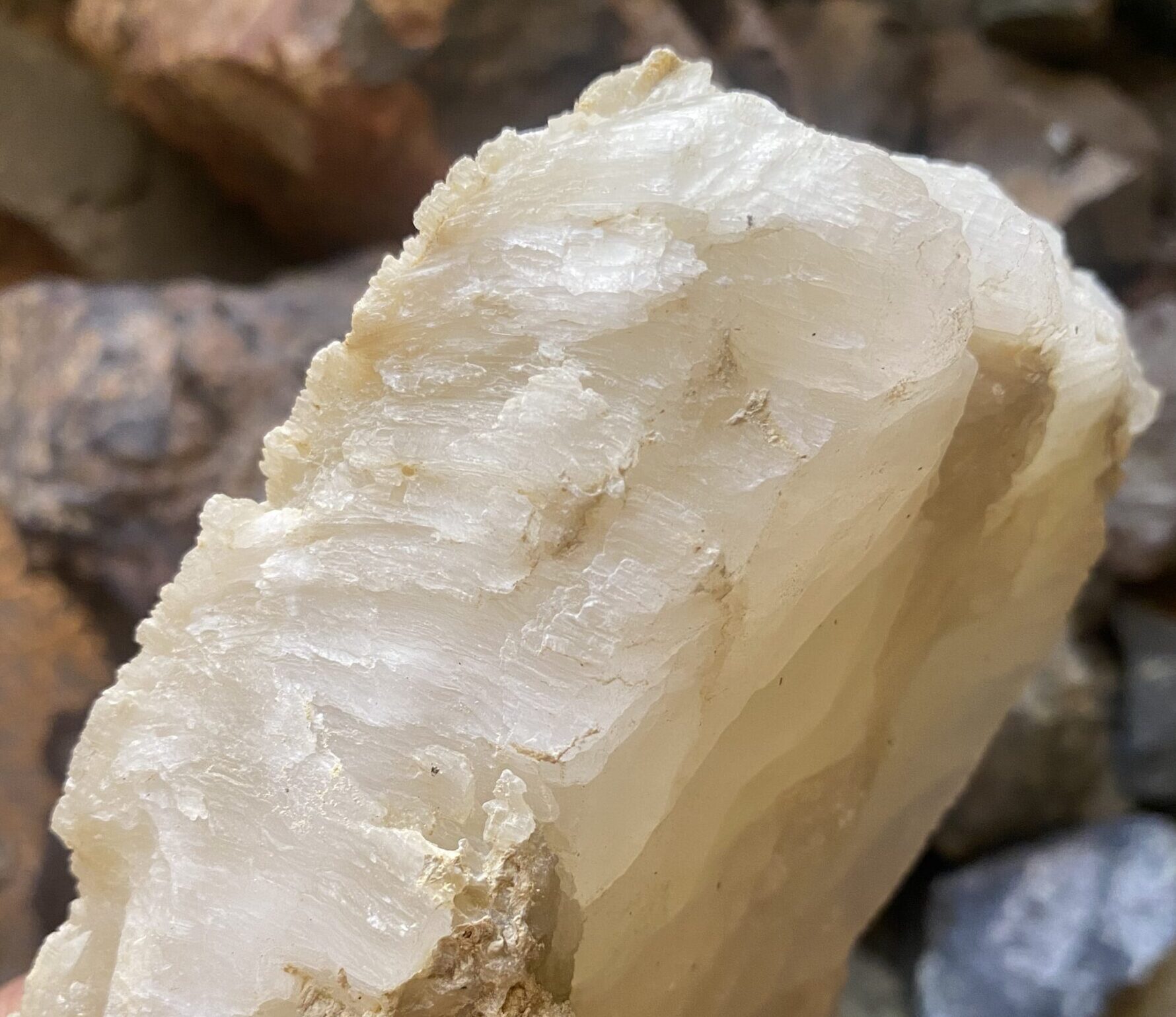
Gypsum (Gy)
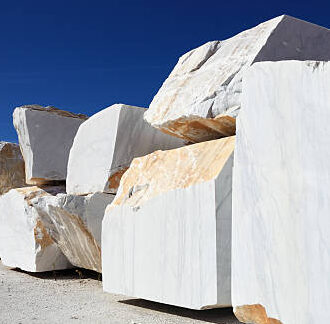
Marble (Mb)